The Journal
Origins & Types
Notes and guides on origins & types, from the gallery in Istanbul.
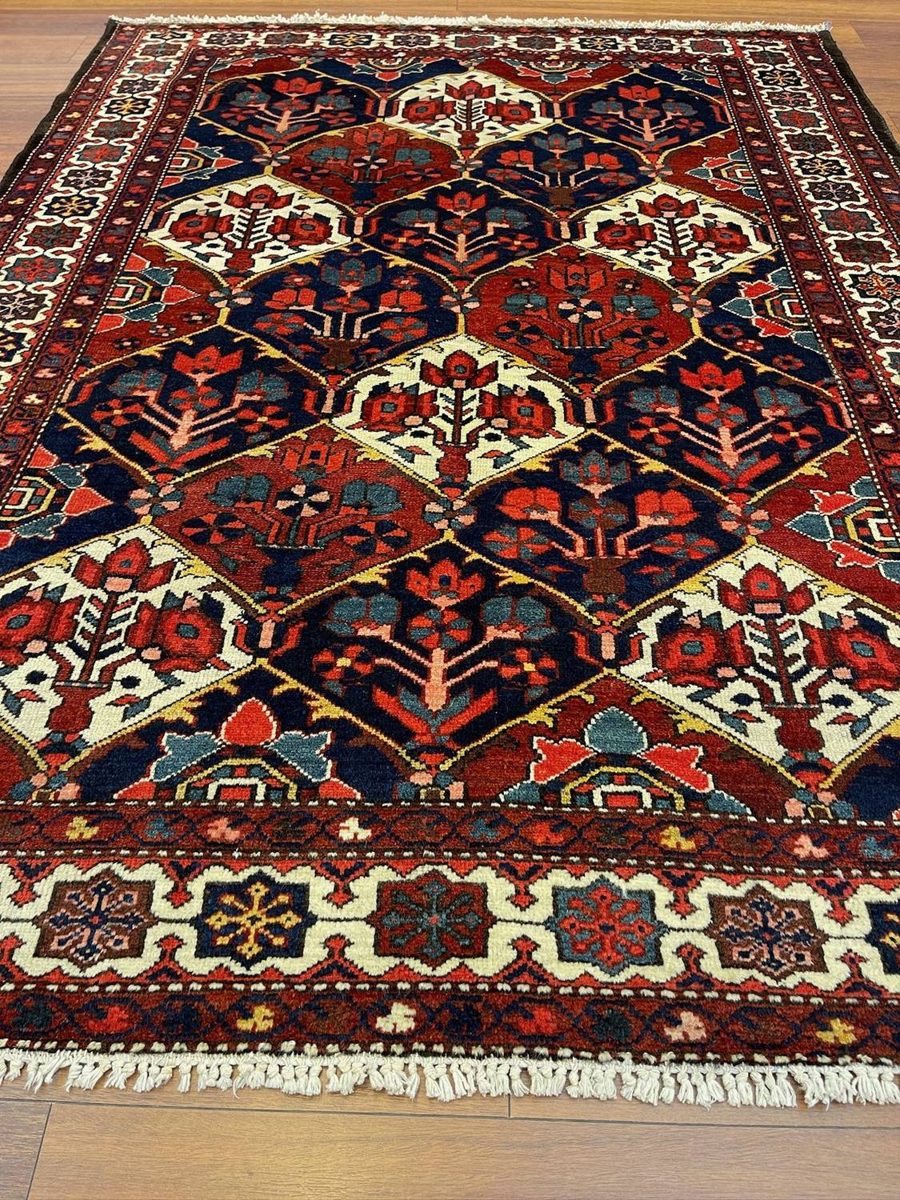
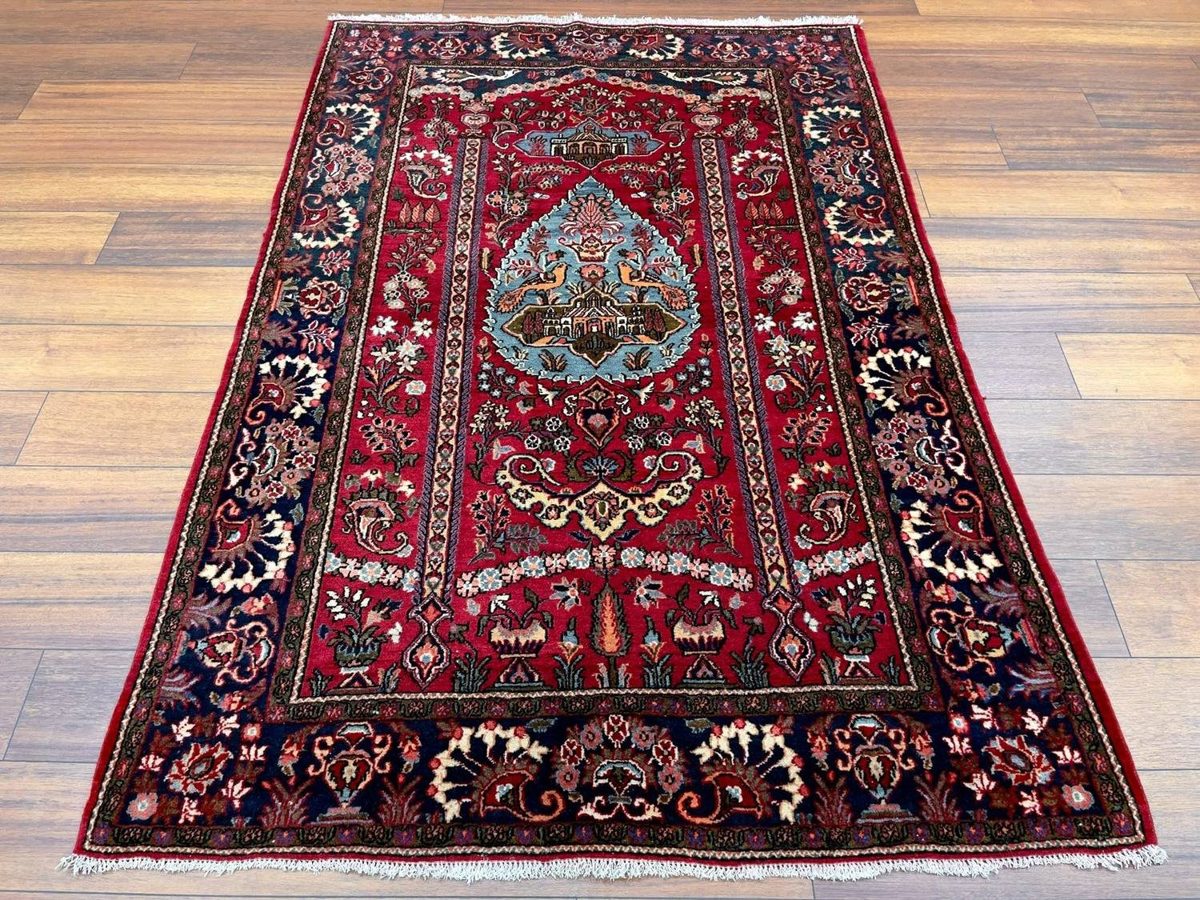
Bakhtiari Rugs and the Garden DesignBakhtiari rugs are thick village rugs from the Zagros, best known for a field laid out as a garden in compartments. Who weaves them, how they are built, and how to choose one.5 min read · Nov 2026
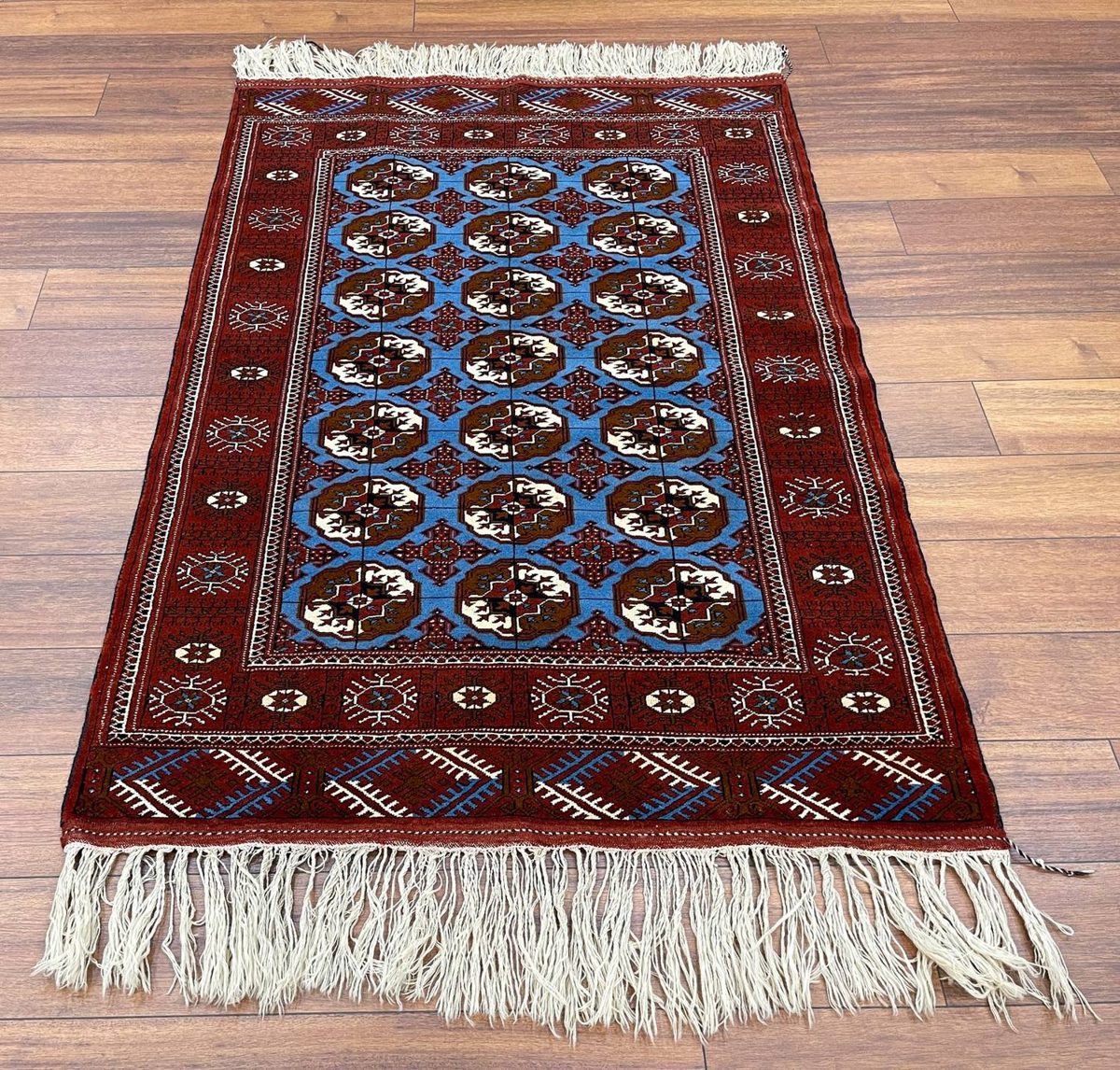
Turkmen Rugs and the GulRows of octagonal medallions on a deep red ground: the Turkmen rug is one of the easiest to recognise. What the gul is, who wove the rugs, and why 'Bokhara' is a trade name.6 min read · Nov 2026
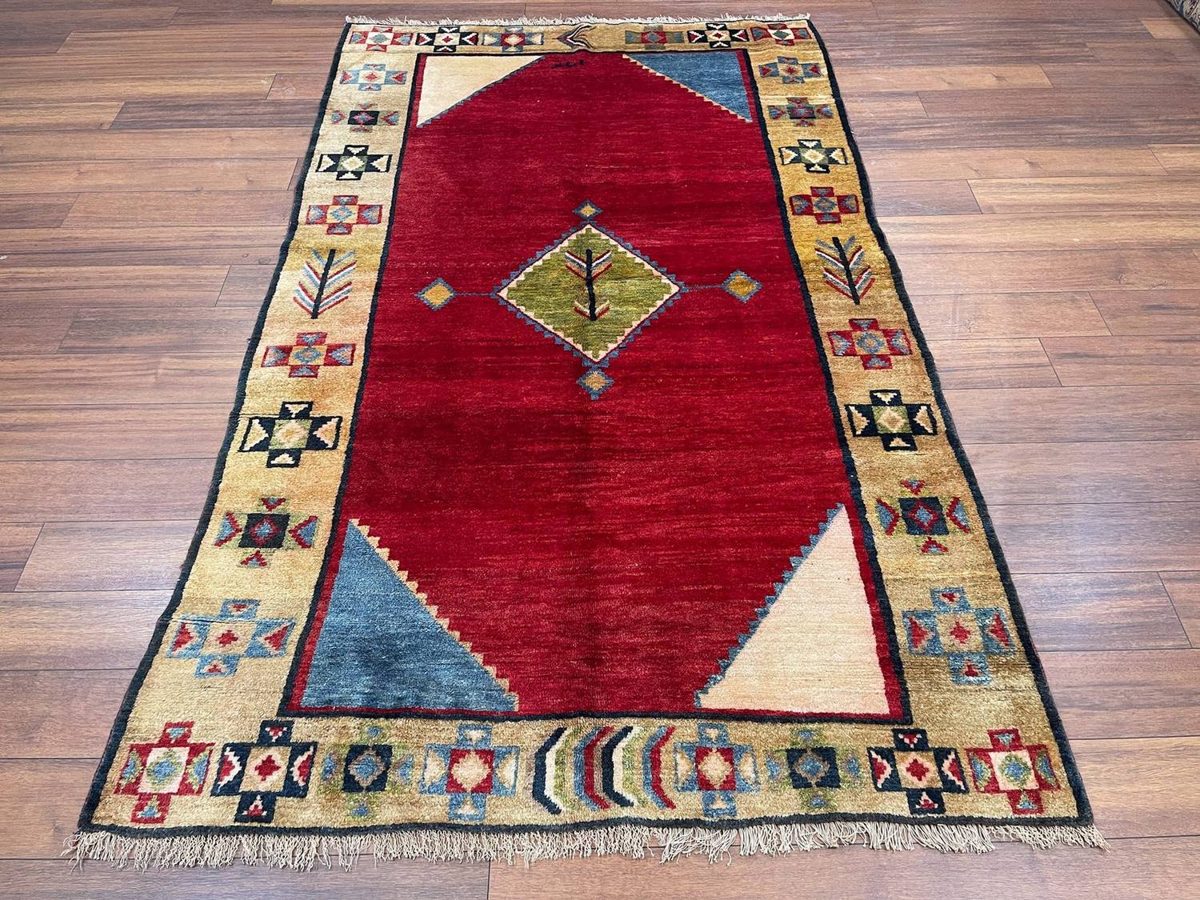
Gabbeh Rugs: Thick Pile, Open Colour, Few FiguresA gabbeh is a thick, coarsely knotted rug from the Zagros Mountains, first woven for the home. What the name means, how the rugs are made, and how to live with one.5 min read · Nov 2026
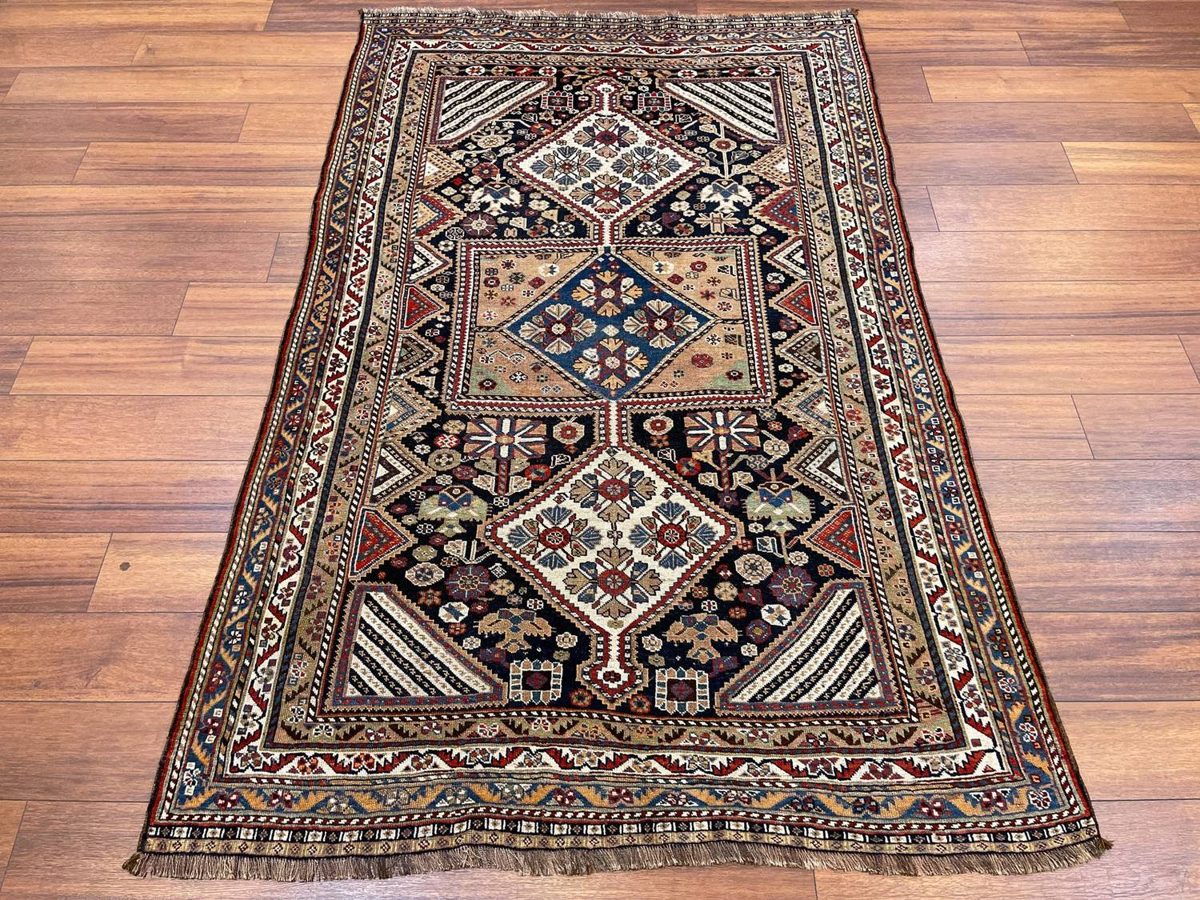
Shiraz and Qashqai Rugs: The Weaving of FarsShiraz is a market, Qashqai a confederacy of tribes. What the two names mean, the hooked diamond medallion, the wool and the weave, and how to choose a rug from Fars.6 min read · Nov 2026
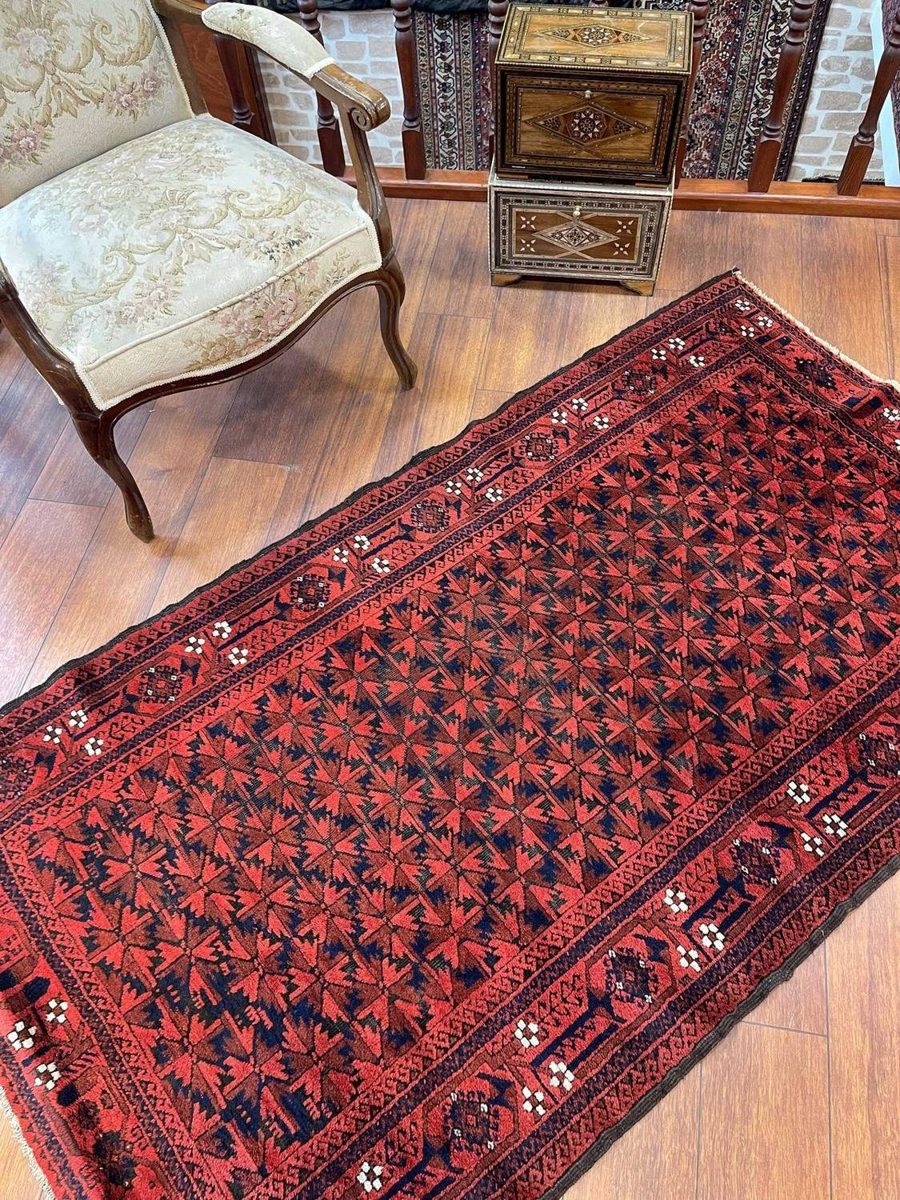
Baluch Rugs: Small, Dark and Made to TravelBaluch rugs are small tribal pieces in deep reds, browns and blues. Who wove them and where, how to recognise the weave, the prayer rugs with a tree, and what to check before buying.5 min read · Nov 2026
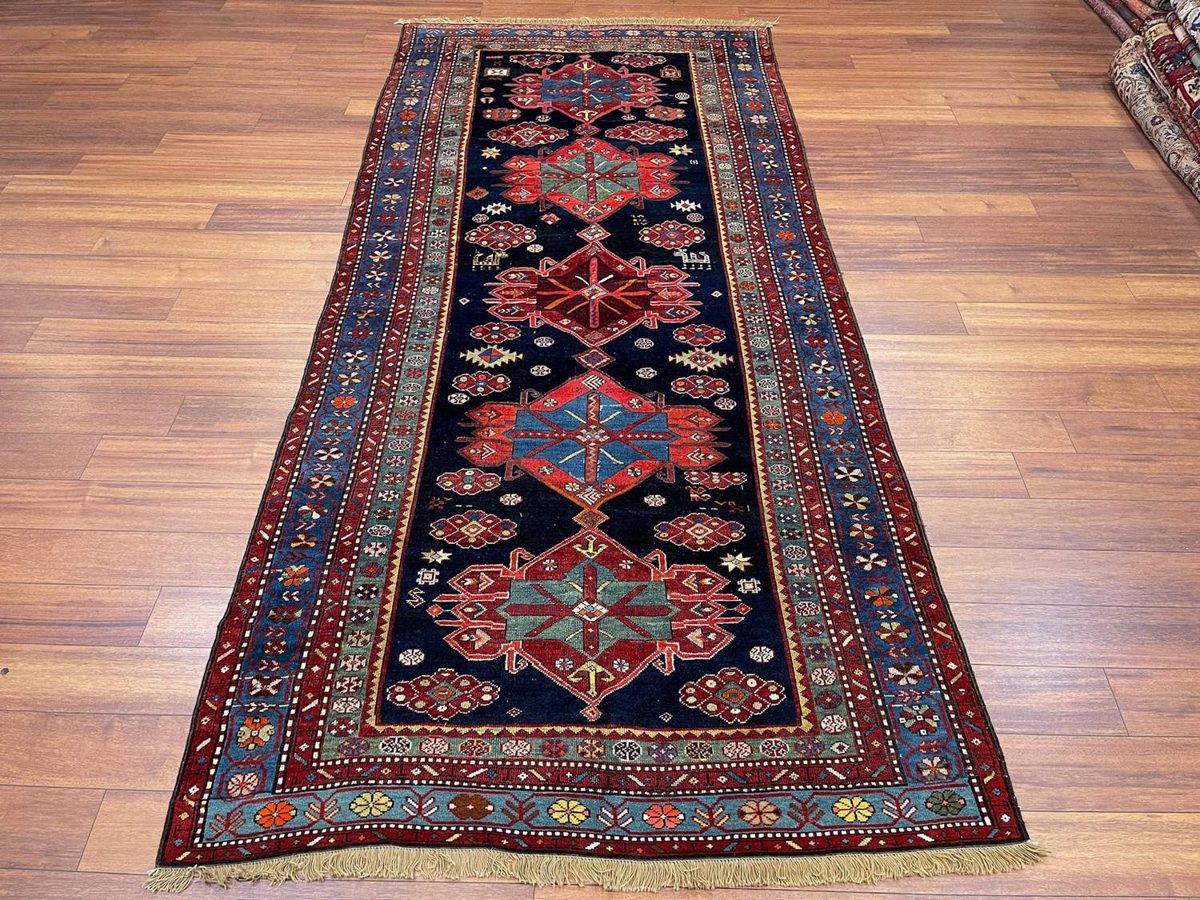
Caucasian and Kazak Rugs: Bold Geometry from the MountainsCaucasian rugs are known for bold geometric designs in strong colour. The regions, what Kazak means, how the rugs are built, and why a coarse weave is not a fault here.6 min read · Nov 2026
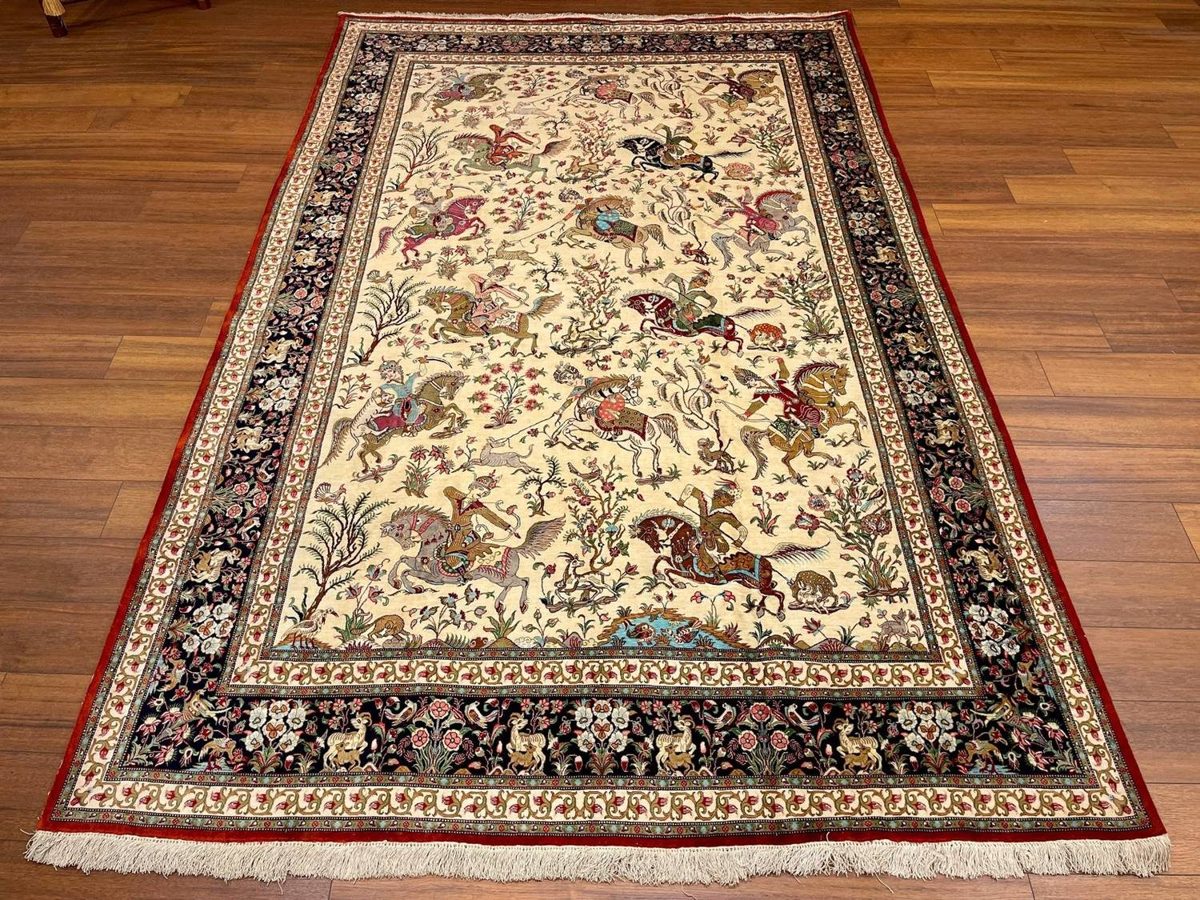
Qom Silk Rugs: A Young Weaving City and Its Fine SilkQom began weaving carpets only in the twentieth century and built its name on finely knotted silk. The designs, the knot counts, how to live with silk, and how to be sure it is silk.6 min read · Oct 2026
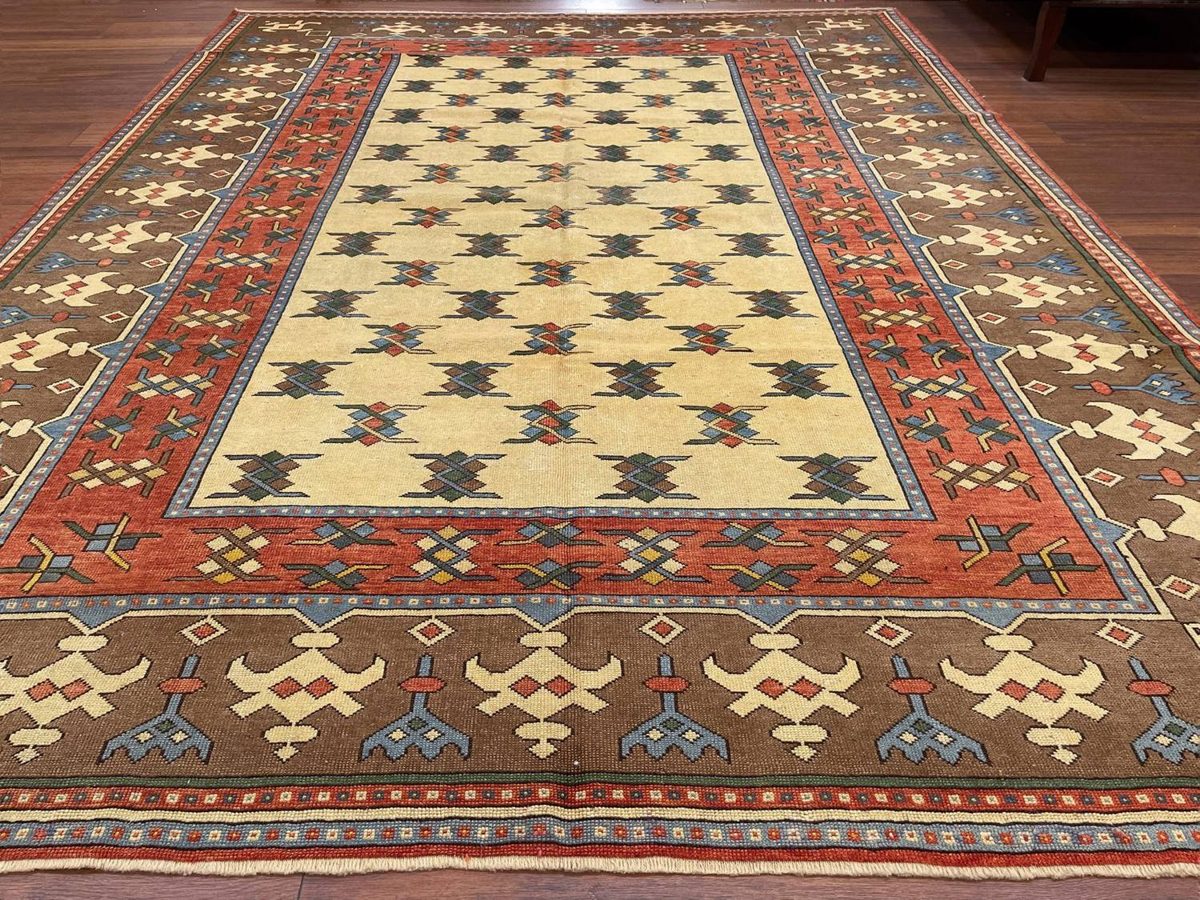
Turkish Rugs: The Village and Workshop Weaving of AnatoliaFrom village rugs in wool to the court workshops of Hereke: what makes a Turkish rug Turkish, the main weaving centres, and what to ask when you buy one in Istanbul or online.7 min read · Oct 2026
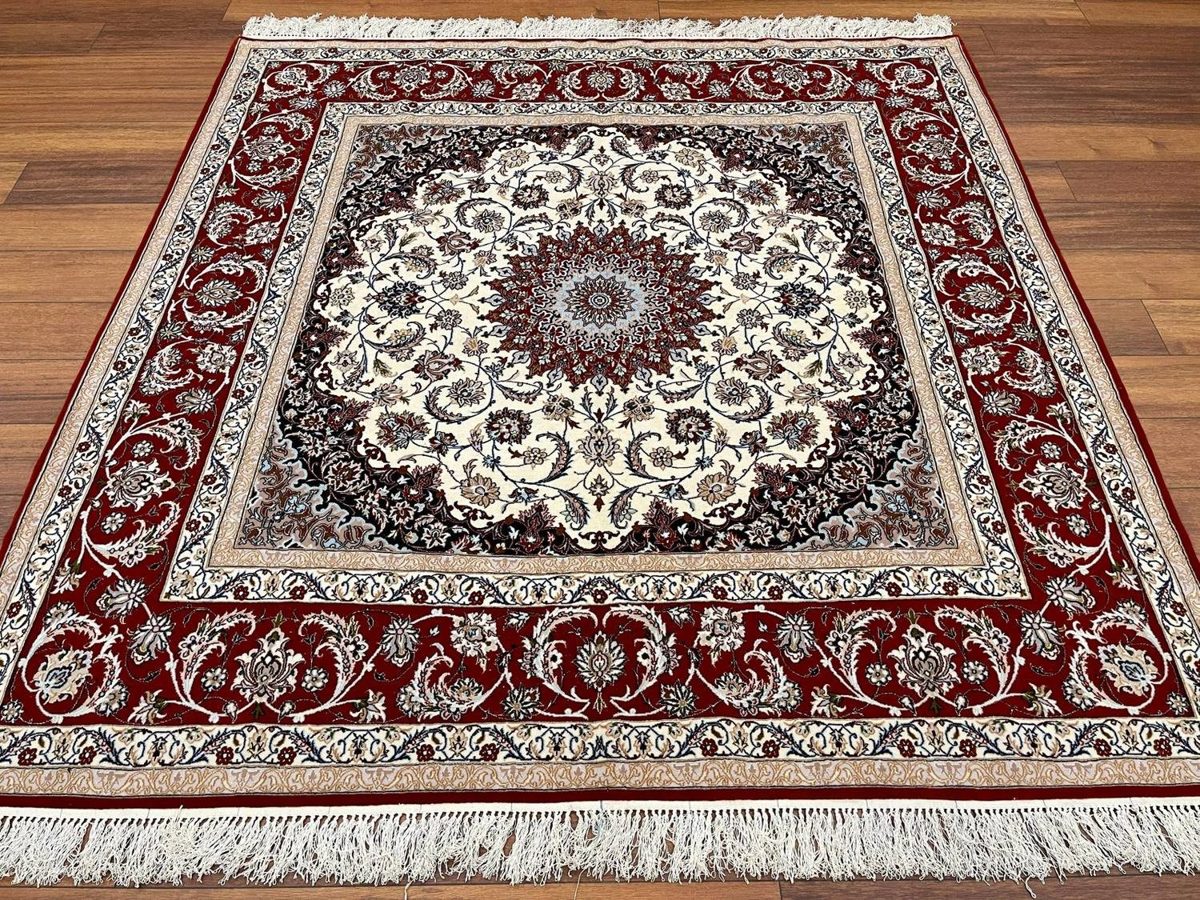
Isfahan Rugs: History, Design and What to Look ForIsfahan rugs are city rugs from central Iran, known for intricate curving designs on ivory. Their Safavid past, the twentieth-century revival, how they are made and what to ask.6 min read · Oct 2026
Kashan Rugs: History, Design and How to Recognise OneKashan is one of the best-known names in Persian weaving. Where the rugs come from, what the medallion and the red and navy palette look like, and what to ask before you buy one.6 min read · Oct 2026
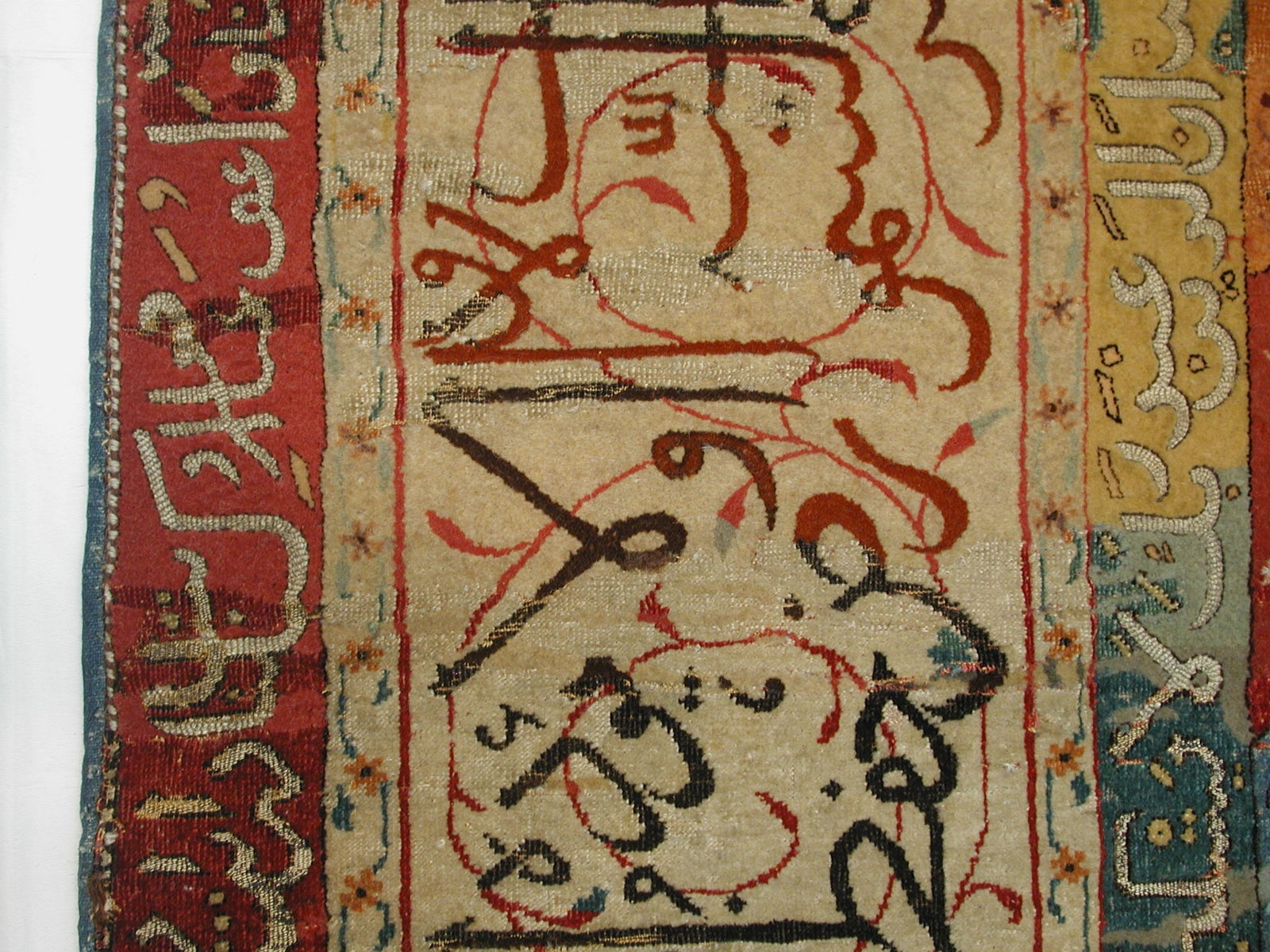
Dates and Inscriptions Woven Into RugsA date knotted into a border looks like the end of the argument. It is the beginning of one. How inscriptions work, how dates are read, and why a woven date is not proof of age.5 min read · Oct 2026
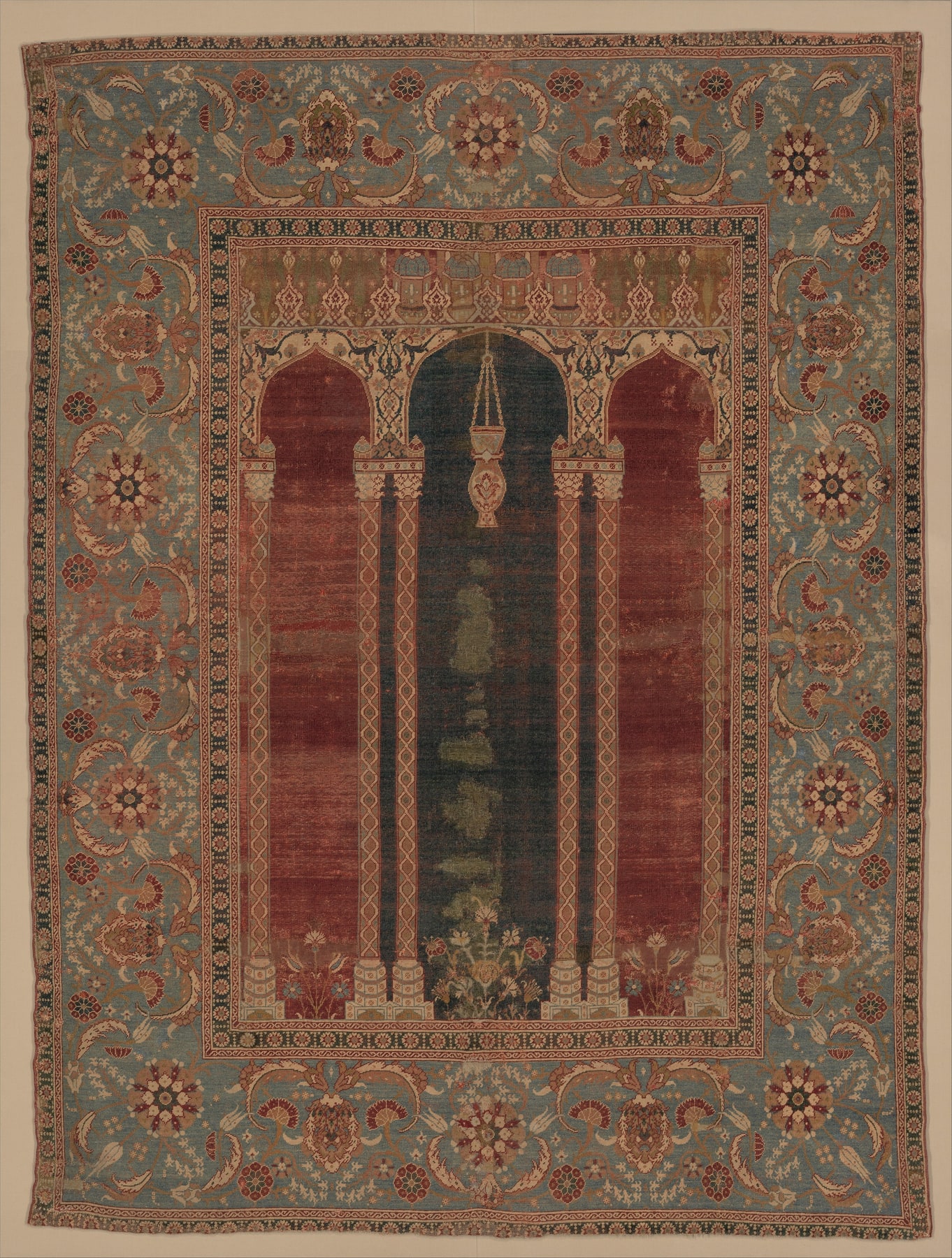
Prayer Rugs and the NicheThe arch at one end of a prayer rug represents the mihrab of a mosque. What the lamp, the comb and the hands mean, and why many rugs with a niche were never meant for prayer.5 min read · Oct 2026
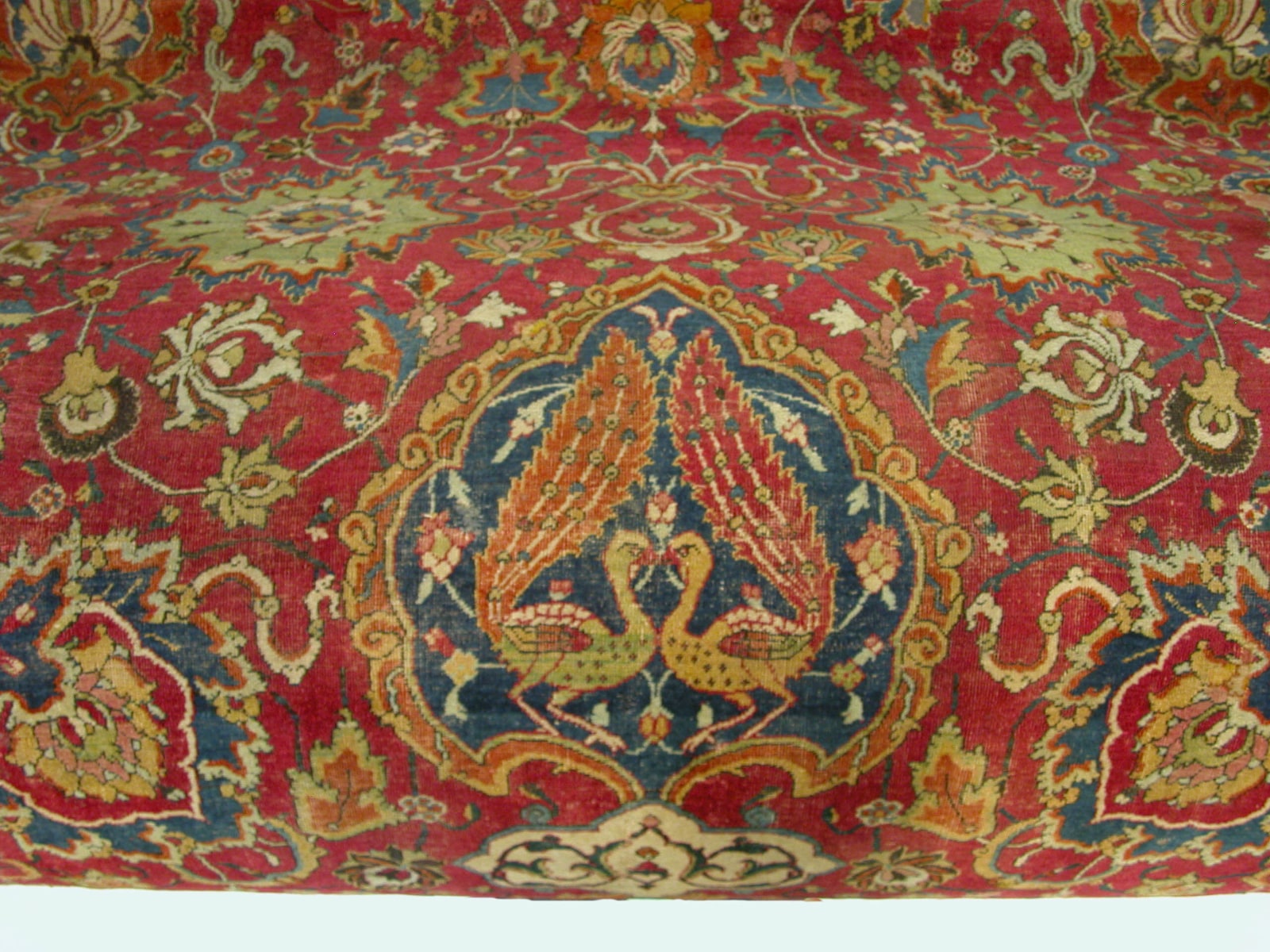
Reading the Pattern: Boteh, Herati, Medallion and GulThe four or five designs that cover most of the rugs you will ever see, where each came from, and why the symbolism attached to them deserves more caution than it usually gets.7 min read · Sept 2026
Persian vs Turkish Rugs: What's the Difference?Persian and Turkish rugs differ in knots, designs, colors, and feel. Here is how to tell them apart and choose the right one for your home.6 min read · Jun 2026
What Is a Kilim?Kilims are flatwoven rugs without a knotted pile. How they are woven, how old the technique is, what the slits and the joined halves mean, and how to live with one at home.7 min read · Apr 2026