

Materials & Craft
How a Hand-Knotted Rug Is Made
From wool and dye to knotting, washing, and finishing, here is how a hand-knotted rug is made and why the process explains its character and price.
June 26, 2026 · 6 min read · Palmyra Oriental
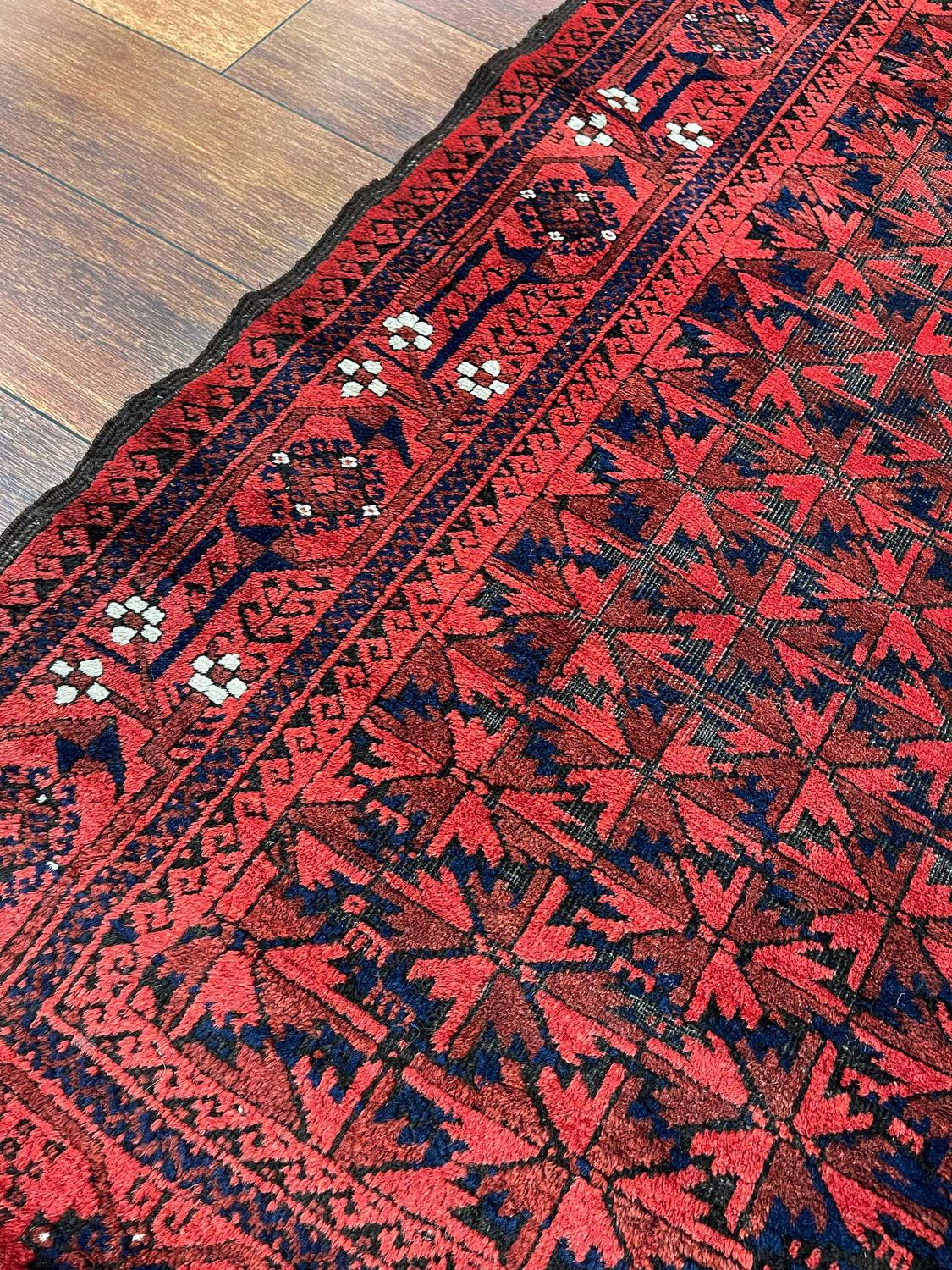
A hand-knotted rug can take months, sometimes years, to complete. Understanding how one is made explains a great deal: why no two pieces are identical, why small irregularities are normal, and why a genuine handmade rug is priced the way it is. We curate and sell these pieces rather than weave them, but we work with them closely, and here is the process behind them.
1. Wool and fiber
Most rugs begin with wool, prized for its durability and the way it holds natural dye. The quality of the wool, its length, luster, and how it is spun, affects how the finished rug feels and ages. Some fine rugs use silk, or a wool-and-silk mix, for extra sheen and detail. Our guide on wool vs silk rugs explains how the fiber changes the result.
2. Spinning the yarn
The fiber is spun into yarn, traditionally by hand, which gives a slightly uneven thread. That subtle irregularity is part of why handmade rugs have depth and life that machine-made pieces lack. Even, perfectly uniform yarn is usually a sign of industrial production.
3. Dyeing
Yarn is dyed before weaving. Natural dyes, drawn from plants, roots, and minerals, produce colors that age gracefully and develop a gentle variation called abrash, where a color shifts slightly across the field. Synthetic dyes are more uniform and less expensive. Natural dyeing is slower and more skilled, which is reflected in a rug’s value.
4. Setting up the loom
The foundation is strung onto a loom as vertical warp threads. This foundation, usually cotton or wool, is what the knots are tied onto and what gives the rug its structure. The weaver works from the bottom upward.
5. Knotting
This is the heart of the craft. The weaver ties individual knots, row by row, around pairs of warp threads, following a design. Persian traditions often use the asymmetrical knot for flowing detail; Turkish traditions use the symmetrical knot for strength and geometry. You can read more in Persian vs Turkish rugs. After each row of knots, horizontal weft threads are passed through and beaten down to lock everything in place.
6. Shearing
As the pile builds, it is sheared to an even height. The length of the pile influences how the design reads and how the rug wears. This step is repeated as the rug grows.
7. Washing and finishing
Once off the loom, the rug is washed to clean it, set the colors, and bring out the wool’s natural sheen. The ends are secured, the fringes finished, and the edges bound. Only then is the rug ready.
Why the process matters to you
Every stage above is done by hand, which is why genuine handmade rugs carry small variations and why they last for generations. It also explains their cost: you are paying for months of skilled work and durable natural materials. If you’d like to see how this craft shows up in real pieces, browse the shop or explore our collections, and feel free to ask us anything about how a particular rug was made.
Personal Selection
Looking for a piece like this?
Tell us your room size, colors, and budget, and we'll prepare a small selection from the gallery.
Request a SelectionKeep reading
More from the Journal
Wool vs Silk Rugs: Which Is Right for You?
Wool and silk rugs look, feel, and wear very differently. Here is how to choose between them for durability, comfort, sheen, and the way you use the room.
Read Istanbul & StoriesBuying a Handmade Rug in Istanbul
Istanbul has long been a meeting point for rugs from across the East. Here is how to buy well here — in person or from abroad.
Read CareCaring for a Handmade Rug
Simple, gentle habits that keep a handmade rug beautiful for decades: vacuuming, rotating, sunlight, spills, and storage.
Read