

Care
Caring for a Handmade Rug
Simple, gentle habits that keep a handmade rug beautiful for decades: vacuuming, rotating, sunlight, spills, and storage.
March 20, 2026 · 5 min read · Palmyra Oriental
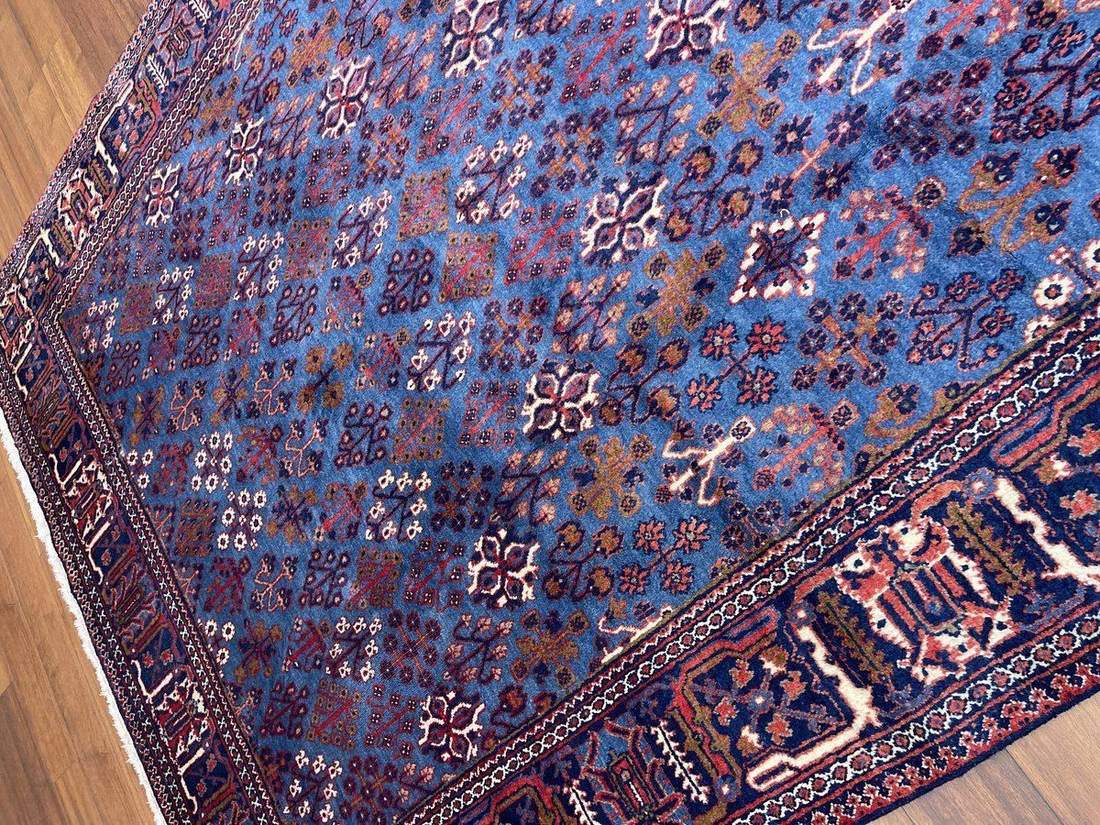
Handmade rugs are durable by nature — they were made to be walked on for generations. Care is less about effort and more about a few gentle habits, and avoiding the handful of things that genuinely cause damage.
Everyday care
Vacuum regularly to lift grit before it works into the foundation, but do it gently. Use suction without a rotating beater bar, which can pull at the pile and chew the fringes. Vacuum in the direction of the pile, and avoid running the machine directly over the fringes.
Rotate the rug every few months, especially in sunny rooms or high-traffic paths, so that wear and any fading happen evenly across the whole piece.
Sunlight
Strong, direct sunlight over long periods will gently soften colours. A little light is fine and even flattering on natural dyes; constant harsh sun on the same spot is what to avoid. Rotating the rug, or using sheer shades during the brightest hours, keeps the colour even.
Spills and stains
Act quickly but calmly. Blot — do not rub — with a clean, dry cloth to lift as much liquid as possible. Work from the outside of the spill inward so you do not spread it. For most spills, cool water and patience are safer than household chemicals, which can affect natural dyes. For anything stubborn, stop and consult a professional rather than experimenting.
What not to do
- Don’t use a beater-bar vacuum or aggressive brushing
- Don’t soak the rug or machine-wash it
- Don’t use bleach or strong stain removers on natural dyes
- Don’t leave a damp rug folded, which can cause mildew
- Don’t drag heavy furniture across it
Professional cleaning
Every few years, a proper hand-wash by a specialist who knows handmade rugs will refresh the pile and colours far better than home cleaning. This is worth doing well rather than often. Ask for someone experienced with hand-knotted and natural-dyed pieces specifically.
Storage
If you need to store a rug, make sure it is clean and fully dry first. Roll it — never fold it, as folds can crack the foundation over time — and wrap it in a breathable material such as cotton, not plastic. Keep it somewhere dry and protected from moths.
Care also varies a little by material; wool and silk rugs have slightly different needs, with silk preferring lower-traffic, drier conditions.
Treated this way, a good handmade rug asks very little and gives back for a very long time. If you have a specific piece and want advice tailored to its material and age, just ask us.
Personal Selection
Looking for a piece like this?
Tell us your room size, colors, and budget, and we'll prepare a small selection from the gallery.
Request a SelectionKeep reading
More from the Journal
Buying a Handmade Rug in Istanbul
Istanbul has long been a meeting point for rugs from across the East. Here is how to buy well here — in person or from abroad.
Read Buying AdviceHandmade vs Machine-Made Rugs: How to Tell the Difference
The back of the rug, the fringes, the knots, and small irregularities all reveal how a rug was made. Here is how to read them.
Read Materials & CraftHow a Hand-Knotted Rug Is Made
From wool and dye to knotting, washing, and finishing, here is how a hand-knotted rug is made and why the process explains its character and price.
Read